The REST Method
Longer naps & better nights in just 7 days
without sleep training
No cry-it-out. No weaning. Keep co-sleeping and feeding to sleep for as long as you like.
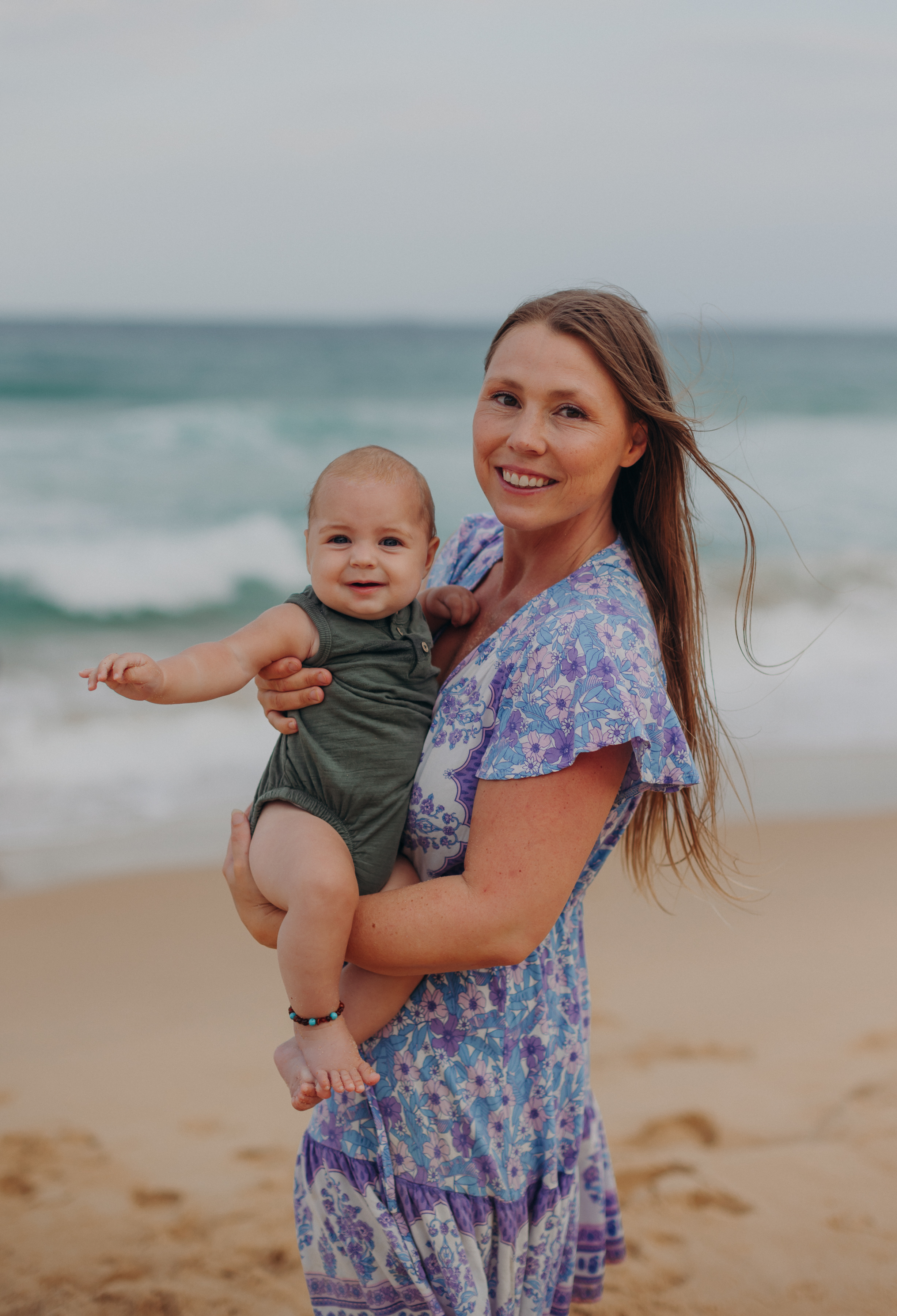 me & my youngest
night stretches
naps
~1 week
Instant access • Watch anywhere • Yours forever
As a mum of three, I've lived it all
You don't mind holding your baby.
You just want the wakings to stop.
It's 3am. You've fed, rocked, shushed and swayed. Your bub finally drifts off — and half an hour later, they're awake again. And again. You love this little person more than anything, and you'd happily hold them all night. You just didn't know it would feel this relentless.
You're happy to co-sleep. Happy to feed to sleep. Happy to be there. What you're really craving is simpler than what everyone keeps selling you: a little time to yourself at nap time, longer stretches between night needs, and the chance to actually get something done without resettling your bub every ten minutes.
10 wakings a night
You're up over and over — and no amount of blackout blinds or white noise has touched it.
The dreaded false waking
They finally drift off… then pop straight back awake 30 minutes later, before you've even sat down.
They only sleep latched on
The second you unlatch or lower them into the cot, their eyes ping open — and you're back to square one.
Nap-trapped for two hours
The only way they'll sleep is on you — while the other kids need you and nothing else gets done.
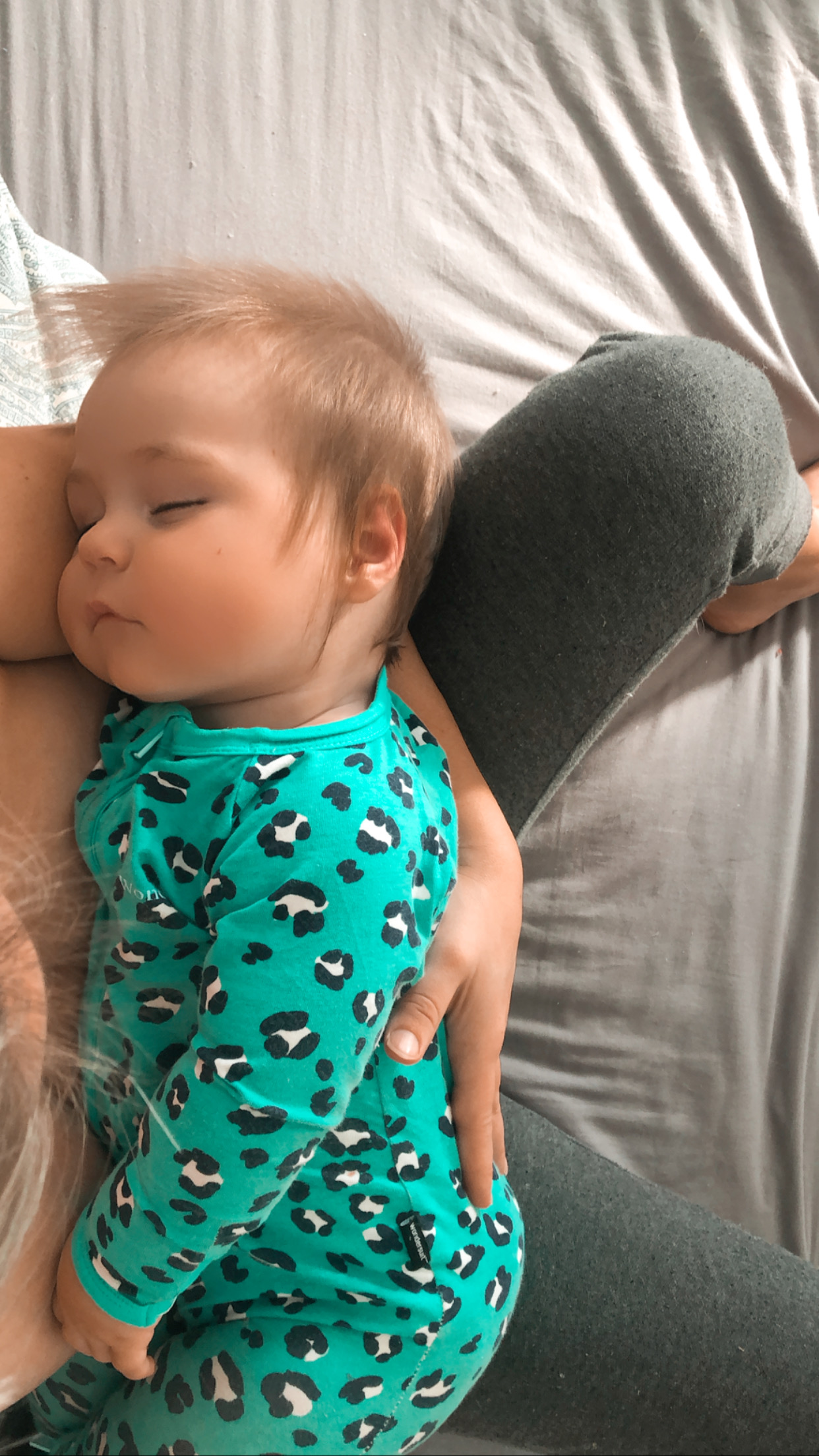
And everyone keeps giving you the same answer: sleep training. Leave them to cry. Every part of you says no.
★★★★★
What mums are saying
4.9 from 146+ Google reviews
I've been there too
I was you, once
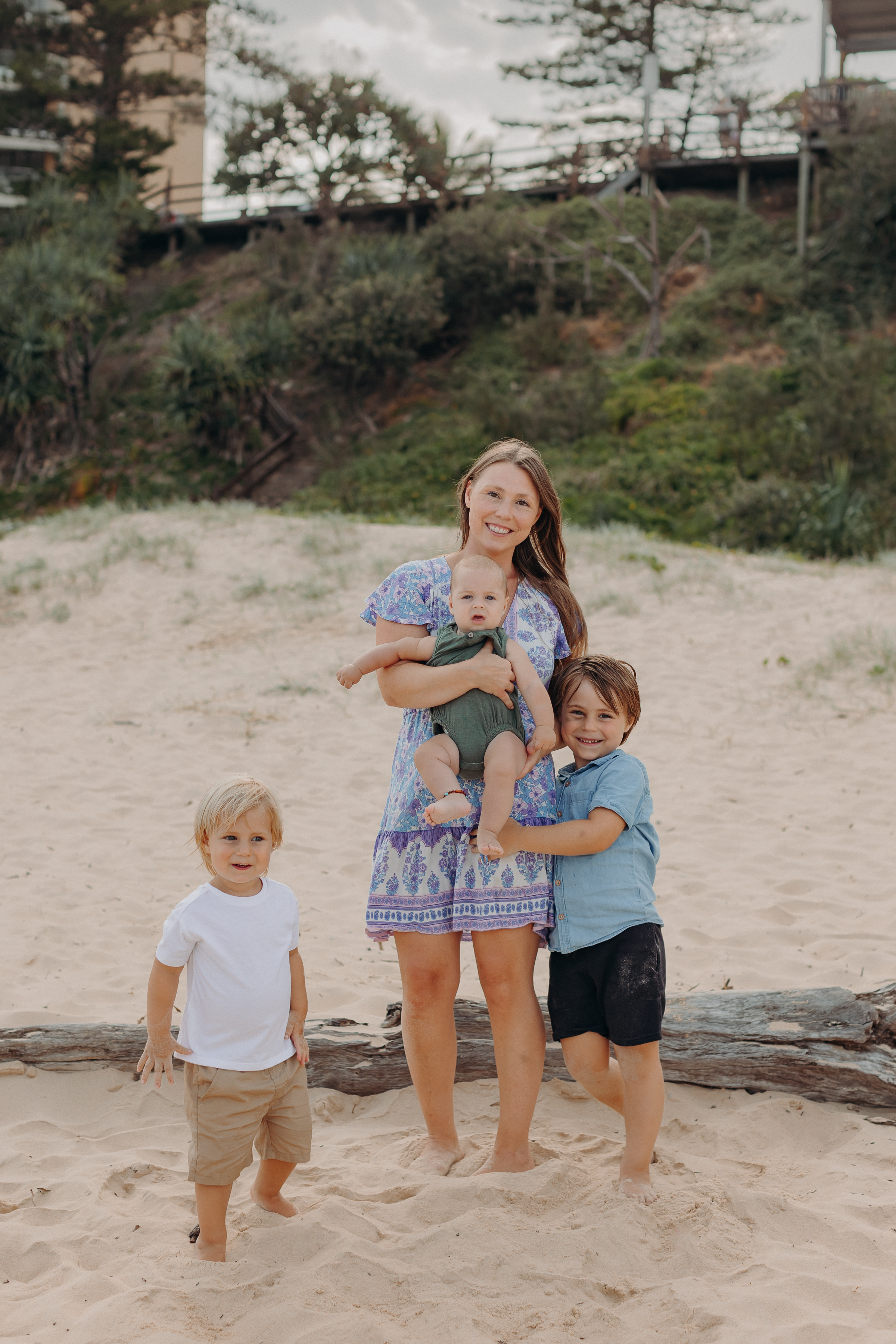
I'm a mum of three boys — and I've never had night help, never had a night away. My oldest is six, and the only night I've ever spent away from my babies was in hospital birthing the next one (so, technically, still on duty). I know exactly how exhausting it gets, and how badly you want a little more sleep and a bit of space to just breathe — without feeding or holding a baby. You need your sanity back. I get it.
Before I understood any of this, I threw everything at it too:
My turning point
From desperate to free

When my son was three months old, a health nurse told me he should be sleeping 14–16 hours a day. When he did sleep, he'd wake screaming — gassy, refluxy, miserable. I was told more sleep would fix it. It only got worse.
I got so desperate I genuinely considered taping foil over the windows to make the room darker.
So I stopped guessing — and started researching.
I learned about my baby's biology: his inner body clock, the role of food, sleep pressure — real science that finally made sense. It matched how I already saw nutrition and health — work with the body, not against it. And suddenly, so much of what I'd been told about baby sleep looked like the exact opposite of that.
Sleep training felt like fighting my own instincts. I couldn't leave my baby to cry, or deny him cuddles and boob.
So I didn't. I followed the method I teach inside this course instead — step by step. The anxiety melted away. No more watching the clock like he'd explode if he didn't go down at the exact right minute. I felt free. We slept better. And being a new mum was fun again — not just counting the hours between naps.
The bit most advice skips
Sleep isn't a behaviour to train.
It's a biology to support.
Your baby's sleep hormones — the serotonin and melatonin that help them fall asleep and stay asleep — aren't made from nowhere. They're built from amino acids, minerals and fat-soluble vitamins that come from food and light.
When those raw materials are missing, or blood sugar crashes overnight, or the gut is irritated — the body reads it as unsafe. Cortisol stays high. Melatonin stays low. And sleep stays light and broken.
This isn't about willpower or a stricter routine. It's about physiology. Food isn't just fuel — it's information for your baby's body.
When mums finally understand this, everything changes. They stop fighting their baby's sleep and start working with it.

What's inside
The REST Method
Babies don't need to be taught how to sleep — they just need the right conditions. This evidence-based mini-course (2 hours of training) walks you through all four, step by step. Watch today, start tonight.
- RRhythmA gentle circadian reset — the light, dark and wake/sleep timing that sets your baby's body clock.
- EEat real foodThe raw materials from animal-based foods that your baby's brain and body use to build the hormones and neurotransmitters behind deep, settled sleep.
- SSleep pressureAwake windows that build a natural drive to sleep, so naps lengthen and bedtime stops being a battle.
- TTummy fullSatiety from fat and protein — no sugar crashes waking your bub at 2am.
Plus: your printable Baby Sleep & Food Cheat Sheet. This course covers the sleep science and food groups — not recipes. All my recipes live inside my main course, Milk to Meat.
You save $80
Who it's for
This is for you if…
- You want better sleep but you're not willing to sleep train
- You're happy to co-sleep and feed to sleep — you just don't want 10 wakings a night
- You'd love your bub to nap without you being trapped underneath them for hours
- Your baby wakes 30 minutes after you put them down and you can't work out why
- Your bub is 6 months or older and on solids (or about to start)
- You'd rather work with your baby's biology than fight it
This isn't for everyone
If your baby already sleeps through and only wakes once or twice a night, consider yourself one of the lucky ones — this one's for the mums in the trenches.
Straight from a mum's inbox
Real nights, real results

— Tee

One week from now
Tonight could look different
You don't have to choose between a well-rested baby and following your gut. You can have both.
Start with the food, the light and the sleep pressure — and give it a week.
The REST Method — valued at $99 — today just $19
Get your nights back tonight → $19Instant access • Watch anywhere • Yours forever
Before you ask
Questions mums ask
Is this sleep training in disguise?
Not even a little. There's no crying it out, no controlled crying, no "wait it out." This is entirely about supporting your baby's biology so better sleep happens naturally — and you can keep co-sleeping and feeding to sleep if that's what you love. (One thing most people don't realise: when a baby goes quiet after being left to cry, that's not learning to self-settle — it's a stress response. We never do that here.)
How quickly will I see a difference?
Every baby is different, but here's the rough picture: calmer evenings and better daytime alertness in about 3 days, naps starting to organise within 5–7 days, and night wakings easing over the first couple of weeks as your bub's circadian rhythm settles and sleep pressure builds. Small tweaks, given a little time.
Will my baby finally sleep through the night?
Let's gently reset that one, because it matters. In the actual research, "sleeping through" means a six-hour stretch — and some night waking is biologically normal and healthy. What this course does is settle the excessive wakings, lengthen those stretches, and calm the catnaps and false wakings. Fewer wakings and deeper sleep — not a baby left alone till morning.
What age is this for?
Best for bubs 6 months and up who are on solids (or ready to start). The food, light and sleep pressure principles help right through toddlerhood too.
I've tried everything. Why would this be different?
Because most advice only touches routines and environment. This starts with the thing underneath all of it — the food, light and sleep pressure that actually run your baby's sleep.
How do I access it?
The moment you check out, it's yours. Watch on your phone, tablet or laptop, as many times as you like.